The best sewing pattern organizers keep paper templates, fabric pieces, notions, and active projects protected without making your workspace harder to use. This roundup compares compact pouches, structured boxes, caddies, and larger project bags.
Whether you need labeled pattern storage or a portable quilting setup, these options offer different combinations of capacity, visibility, compartments, and carrying convenience.
Best 10 Sewing Pattern Organizers Picks for 2026
Best Shelf-Ready Folder

- 20 kraft-paper folders with fixed 1.2-inch spines
- Fits common pattern envelopes without folding
- Spine labels and button closures improve access
Best For: Vertical storage of sewing patterns on shelves
Best Fabric-Focused System
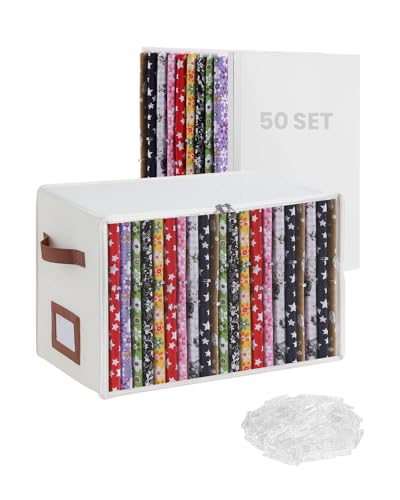
- Includes a box, 50 boards, and 200 clips
- Clear window supports quick fabric identification
- Zippered design helps reduce dust exposure
Best For: Organizing quilting and sewing fabric near pattern storage
Best Portable Sewing Caddy
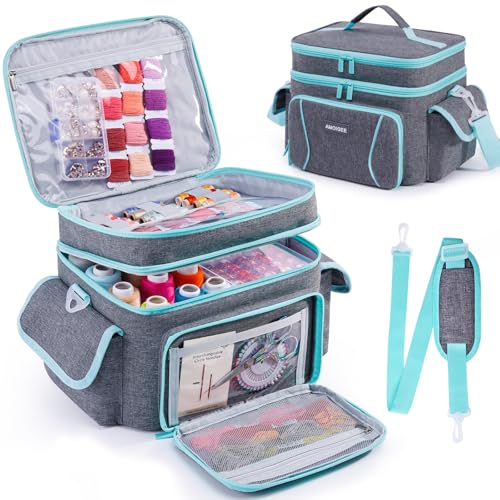
- Two compartments organize notions and larger supplies
- Removable dividers customize the lower compartment
- Handles and shoulder strap support travel
Best For: Carrying patterns and sewing supplies to classes or projects
Best Compact Notions Box

- Built-in pin cushion keeps needles accessible
- Pocket holds patterns, labels, and small tools
- Collapsible polyester design saves space
Best For: Storing everyday notions for a small sewing project
Best for Portable Project Storage
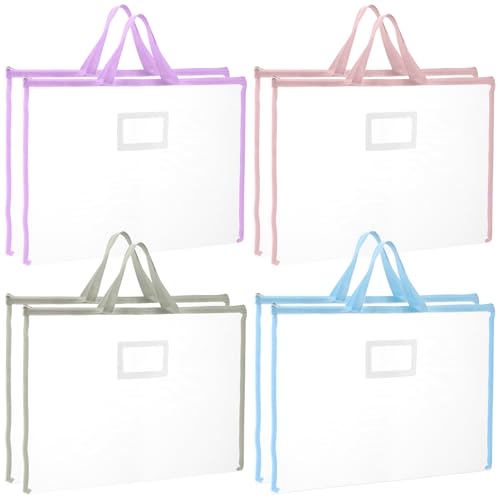
- Eight 18-by-13-inch bags for separate projects
- See-through mesh with front label slots
- Handles make projects easy to carry
Best For: Quilters and crafters managing multiple projects
Best for Desktop Access
SINGER Rotating Sewing Organizer

- 360-degree rotating tabletop design
- Ten compartments including inner sections and outer pockets
- Compact 7.5-inch footprint for sewing spaces
Best For: Keeping everyday sewing notions within reach
Best for Color-Coded Sorting

- Sixteen large, multicolor A3 pouches
- Translucent PVC keeps contents visible
- Water-resistant pouch material wipes clean
Best For: Sorting patterns and craft projects by color
Best All-Around Sewing Bag

- 18 compartments with removable storage pieces
- Padded, water-repellent polyester exterior
- Portable design with reinforced handles
Best For: Portable organization of a personal sewing and crafting kit
Best Multipack Value

- 12 large A3-size storage pouches
- Translucent PVC in 12 colors
- Waterproof and moisture-resistant material
Best For: Color-coded storage of multiple sewing and craft projects
Best for Project Sorting

- Five spacious bags for separate projects
- Full-zip, dust- and moisture-protective closure
- Clear mesh with front label windows
Best For: Organizing multiple quilting, sewing, and needlework projects
Best Shelf-Ready Folder – Rigid Spine Pattern Organizer
For sewists comparing sewing pattern organizers, this 20-pack stands out as a shelf-friendly option. Its fixed 1.2-inch spine lets each kraft-paper folder stand upright like a book, while the 9.45-by-13.4-inch size accommodates common Simplicity, McCall’s, and Butterick envelopes without folding the top edge.
Best For: Organizing uncut envelopes or cut pattern pieces vertically on a shelf.
Pros:
- Rigid spine helps folders stay upright whether full or empty.
- Clear spine label area makes patterns easier to identify.
- Button-and-loop closure helps keep pieces secure.
- 20 folders provide substantial pattern storage capacity.
Cons:
- Paper construction may be less suitable for moisture-prone storage.
- The fixed spine offers less flexibility than an expandable gusset.
This is a practical choice when shelf visibility and orderly storage matter most. The rigid format protects patterns from bending while making individual folders easy to remove.
Best Fabric-Focused System – Fabric Storage Box and Boards
Although it is designed primarily for fabric rather than paper patterns, this set can complement sewing pattern organizers in a broader sewing-room storage system. It includes a structured storage box, 50 fabric boards, and 200 clear clips for folding, sorting, and securing quilting or sewing fabrics.
Best For: Sewists who need to organize fabric alongside their patterns and want enclosed, visible storage.
Pros:
- Complete 251-piece set includes the box, boards, and clips.
- Transparent front window provides quick visibility of contents.
- 600D Oxford fabric and rigid PP boards help the bin hold its shape.
- Zippered enclosure helps protect fabric from dust, lint, and pet hair.
Cons:
- It is not a dedicated pattern-envelope organizer.
- The 15.7-by-9-by-11.6-inch box may require shelf space.
This is best viewed as a companion organizer for the materials that surround a pattern collection. The boards and clips bring structure to folded fabric, while the window and label slot support quick inventory checks.
Best Portable Sewing Caddy – Double-Layer Storage Bag
For a mobile sewing setup, this double-layer bag offers a flexible alternative to stationary sewing pattern organizers. The padded polyester case combines upper compartments for small notions with a spacious lower compartment and removable T-shaped dividers for patterns, fabric, tools, or other project supplies.
Best For: Transporting sewing patterns and supplies to classes, travel projects, or different work areas.
Pros:
- Adjustable lower dividers let you customize the storage layout.
- Elastic loops, clear pockets, and a zippered pocket keep small tools visible.
- Two sturdy handles and a detachable shoulder strap improve portability.
- Available in medium and large sizes.
Cons:
- Supplies are not included.
- Soft-sided construction may provide less protection than a rigid case.
- It is a general sewing bag rather than a dedicated envelope organizer.
This bag makes sense when your patterns need to travel with scissors, thread, bobbins, and other notions. Its configurable bottom compartment is useful for changing project loads, though it is less specialized for long-term pattern filing.
Best Compact Notions Box – Quilted Sewing Box Organizer
This soft-sided sewing box is a compact companion to sewing pattern organizers, giving everyday notions a dedicated home. It includes a built-in pin cushion, room for thread and scissors, and a storage pocket that can hold patterns, labels, or small tools.
Best For: Keeping essential sewing notions together in a compact, collapsible organizer.
Pros:
- Built-in pin cushion keeps pins and needles close at hand.
- Roomy interior accommodates thread, scissors, tape, and other essentials.
- Storage pocket adds space for patterns, labels, and small tools.
- Collapsible design stores compactly when not in use.
Cons:
- Its 9.5-by-6-by-6-inch size limits capacity for larger pattern collections.
- Soft polyester construction offers less rigid protection for paper patterns.
This organizer is suited to a small active project kit rather than archival pattern storage. It keeps frequently used notions accessible and can fold down when your sewing area needs to be cleared.
Best for Portable Project Storage – Large Mesh Sew Project Bags
For anyone comparing sewing pattern organizers for multiple works in progress, this eight-bag set offers generous space and easy project identification. Each 18-by-13-inch mesh bag has a handle, zipper closure, and front label slot for sorting fabric, patterns, yarn, and tools.
Best For: Quilters, knitters, embroiderers, and crafters who need portable storage for several projects.
Pros:
- Eight large bags provide space for separate projects.
- See-through mesh makes contents easy to identify.
- Handles support transport to classes, groups, or crafting sessions.
- Front card holders help label projects and track progress.
Cons:
- The mesh design offers less protection from moisture than waterproof storage.
- The set is intended for project organization rather than compact tabletop storage.
This is a practical choice when visibility, capacity, and portability matter most. Its label slots are especially useful for keeping multiple sewing patterns and unfinished projects separated.
Best for Desktop Access – SINGER Rotating Sewing Organizer
If you want sewing pattern organizers that keep frequently used notions close at hand, the SINGER rotating caddy is designed for a tabletop. Its 360-degree base provides access to four inner compartments and six outer pockets without moving the organizer.
Best For: Sewists who need a compact desktop holder for thread, needles, scissors, and other small tools.
Pros:
- 360-degree rotation keeps all ten compartments accessible.
- Four inner compartments and six outer pockets separate supplies.
- Compact 7.5-inch diameter suits desks, counters, and sewing cabinets.
- Lightweight polyester construction is easy to clean.
Cons:
- Its compact size is better for small supplies than large patterns or fabric pieces.
- Only one organizer is included.
This caddy works best as an at-the-machine organizer rather than a full project-bag system. Choose it when quick access to everyday sewing essentials is more important than storing complete patterns and materials.
Best for Color-Coded Sorting – Umriox A3 Mesh Zipper Bags
These sewing pattern organizers are useful for sorting larger paper patterns, craft projects, and supplies by color. The 16 translucent A3-size zipper pouches measure about 16.9 by 12.4 inches and use different colors to make project categories easier to distinguish.
Best For: Crafters and home organizers who want a large, color-coded pouch set for patterns, documents, and project materials.
Pros:
- Sixteen pouches support extensive project sorting.
- Large A3 sizing accommodates patterns, puzzles, and other bulky contents.
- Translucent material lets you identify contents without fully opening each bag.
- Waterproof PVC can be wiped clean after spills or splatters.
Cons:
- The zipper is not described as waterproof.
- The pouches are supplied in multiple colors, which may not suit a uniform storage system.
- They do not include built-in handles or dedicated pattern-label slots.
This set is a strong fit for color-coded storage and larger flat projects. It offers more units than a typical single organizer, though users wanting carry handles or specialized sewing features may prefer dedicated project bags.
Best All-Around Sewing Bag – SINGER Double-Layer Organizer
The SINGER Sewing Accessories Organizer is a practical choice if you want a structured sewing supplies bag rather than loose bins or boxes. With 18 compartments, detachable pouches and dividers, and a padded, water-repellent polyester exterior, it works well for organizing and transporting a personal sewing kit.
Best For: Sewists who need a portable, customizable organizer for thread, fabric, scissors, needles, and other notions.
Pros:
- Offers 18 compartments, including removable cases, mesh pockets, a clear pocket, and elastic loops.
- Detachable dividers allow the main compartment to be configured for different supplies.
- Thick padding and a scratch-resistant, water-repellent polyester exterior help protect contents.
- Reinforced handles with a snap make the bag convenient for travel or crafting groups.
Cons:
- It is sold as a bag only, so sewing supplies are not included.
- The structured multi-compartment design may be more than needed for a very small kit.
This is one of the more complete sewing pattern organizers for crafters who value portability and compartmentalized storage. Choose it if you want one carry-all with flexible interior storage and added protection for your supplies.
Best Multipack Value – Umriox A3 Mesh Zipper Pouches
The Umriox A3 Mesh Zipper Pouch set is a flexible option for sewing pattern organizers when you prefer sorting projects into separate bags. The 12 large pouches provide a simple way to classify fabrics, cross-stitch projects, documents, notions, or other supplies while keeping contents visible through the translucent material.
Best For: Crafters who want multiple color-coded project bags for sewing work, documents, or travel organization.
Pros:
- Includes 12 A3-size pouches measuring 16.9 by 12.4 inches.
- Translucent, multicolored designs make contents identifiable while offering some privacy.
- Sturdy PVC construction is waterproof and moisture resistant, aside from the zipper.
- Rope loops allow the pouches to be carried or hung.
Cons:
- The flat pouch format provides less structure than a padded sewing caddy.
- The zipper is not described as waterproof.
- They do not include specialized sewing features such as thread loops or dividers.
These pouches are a useful low-complexity solution for separating several sewing or craft projects at once. They are especially appealing if quantity and easy visual identification matter more than built-in sewing-specific compartments.
Best for Project Sorting – Qozary Quilting Project Bags
The Qozary 5-piece set is designed for keeping active projects separated and easy to identify. These sewing pattern organizers have a generous A3-style format, full-zip closure, clear PVC mesh, a label window, and a two-layer pocket layout for dividing fabrics, tools, patterns, and threads.
Best For: Quilters, embroiderers, knitters, and other crafters managing several projects at the same time.
Pros:
- Five bags provide dedicated storage for different projects or material categories.
- Each bag measures 17.7 by 13 by 2.8 inches and accommodates fabrics, tools, notions, and patterns.
- Full-zip closure helps keep supplies dry, dust-free, and secure.
- Clear PVC mesh and a front label window make contents and project names easy to identify.
Cons:
- The bags are relatively flat, so they may not suit bulky tools or large fabric amounts.
- The supplied information does not specify padding or rigid internal structure.
For crafters who rotate between multiple works in progress, this set offers more project separation than a single tote. Its clear construction and labeling feature reduce rummaging, while the two-layer layout helps keep tools away from delicate materials.
How We Picked These Sewing Pattern Organizers
We selected organizers across several common sewing-storage formats, including button-closure folders, fabric boxes with pattern boards, mesh zipper pouches, divided storage bags, caddies, and project-bag multipacks. We focused on practical details such as the ability to separate projects, protect paper from bending or moisture, organize small notions, and carry supplies between a sewing room, class, or retreat.
Because storage needs vary, the list includes both dedicated pattern holders and broader sewing organizers that can accommodate patterns alongside fabric, tools, and accessories. Product capacity, access, portability, and visibility are more useful comparison points than appearance alone.
Quick Comparison
- Best for individual paper patterns: Button-closure packs and A3 mesh pouches make sorting templates by project or category straightforward.
- Best for fabric and pattern sets: Fabric storage boxes with organizer boards help keep folded materials and paper pieces together.
- Best for active projects: Large sew project bags and double-layer cases provide room for fabric, instructions, and tools.
- Best for desktop access: A rotating caddy keeps frequently used accessories within reach.
- Best for flexible sorting: Multipacks let you assign one pouch or bag to each project, season, pattern size, or fabric type.
Key Buying Factors for Sewing Pattern Organizers
Size and Format
Check the dimensions against your patterns before buying. A3 and similar large pouches can suit oversized sheets, while smaller folders may work better for standard folded patterns. Leave room for instructions, tracing paper, and fabric samples if you store complete project kits together.
Protection and Visibility
Rigid boards or structured sides offer more protection against creasing. Mesh and clear sections make contents easy to identify, but they may provide less protection from dust or spills than closed fabric boxes and cases. Zippers, buttons, and full-zip openings also affect how securely loose pieces stay inside.
Organization and Capacity
Dividers, pockets, removable pouches, and multiple compartments help separate thread, needles, scissors, notions, and pattern pieces. More compartments are useful only when they remain easy to access, so consider whether you prefer one open project space or detailed sorting.
Portability and Durability
Handles and lightweight construction are valuable for classes and travel. For frequent use, look for sturdy closures, reinforced handles, and materials that can tolerate repeated packing and unpacking.
Who Should Buy Which Sewing Pattern Organizers?
Choose a button-closure organizer or mesh zipper pouch if your priority is keeping paper patterns sorted and visible. Pick a fabric storage box when you want a more structured home for patterns, fabric boards, and folded materials. Quilters managing several works in progress may prefer multipacks of project bags, while sewists carrying a complete kit should consider a double-layer bag with dividers and detachable pouches.
If your main need is quick access to scissors, thread, pins, and other frequently used tools, a rotating caddy is likely more convenient than a flat pattern folder. Before ordering, measure your largest pattern pieces and decide whether you need storage for paper alone or for an entire sewing project.